
The idea that a vaccine can help prevent cancer may sound surprising, but that is exactly why the human papillomavirus, or HPV, vaccine matters. HPV is a very common group of viruses transmitted through intimate skin-to-skin contact. Most HPV infections cause no symptoms and clear without treatment. A smaller number persist, however, and some persistent infections can eventually cause cancer.
Vaccination prepares the immune system to recognize several HPV types before exposure. It does not contain live HPV, cannot give someone HPV and cannot cause the cancers it is designed to help prevent. The vaccine is preventive rather than therapeutic: it works best before exposure but may still offer protection against HPV types a person has not previously encountered.
This guide explains what HPV is, why vaccination is recommended for people of more than one gender, how current Canadian schedules work and why screening remains important after vaccination.
What is HPV?
HPV is not a single virus. It is a large family of related viruses, and different types affect the body in different ways. Some infect the skin, while others infect moist surfaces such as the mouth, throat or genital area. HPV can pass between people during intimate contact even when there are no visible symptoms.
That last point is important. A person may carry and transmit HPV without knowing it. Infection does not imply that someone has been careless, unfaithful or unusually sexually active. HPV is so common that exposure can occur in any relationship, including a person’s first intimate relationship. Condoms and other barriers can lower the chance of transmission, but they do not cover every area of skin where the virus may be present.
Most infections are controlled by the immune system within about two years. Because these infections often disappear without causing illness, many people never learn that they had HPV. There is no medication that simply removes HPV from the body, although clinicians can treat health problems it may cause, such as genital warts or abnormal cells.
Low-risk and high-risk HPV types
HPV types are often discussed in two broad groups. “Low-risk” types do not usually cause cancer but can cause genital warts. Warts may be uncomfortable or distressing and can require treatment, although they are not themselves cancer.
“High-risk” types are associated with abnormal cell changes and cancer. If a high-risk infection persists for years, it may contribute to cancer of the cervix, anus, penis, vulva, vagina or throat. Cervical cancer is the HPV-related cancer many people know best, but it is not the only one. That is one reason HPV prevention is relevant to people of all genders.
Cancer usually does not develop immediately after infection. It often takes years for persistent infection to lead to precancerous changes and, in some cases, invasive cancer. This long process creates opportunities for prevention through vaccination and for early detection through recommended cervical screening.
How the HPV vaccine helps
The HPV vaccine contains components that resemble parts of the virus but cannot cause an HPV infection. After vaccination, the immune system produces a response that helps it recognize targeted HPV types in the future. If exposure happens later, the body is better prepared to prevent the infection from becoming established.
The vaccine used in Canada protects against nine HPV types. These include types responsible for a large proportion of HPV-related cancers and types that cause most genital warts. No vaccine prevents every HPV type, and no medical intervention offers perfect protection, but vaccination can substantially reduce the risk from the types it covers.
The benefit is greatest when vaccination occurs before any exposure to HPV. That is why routine programs commonly offer it to children and adolescents. Receiving the vaccine at a younger age is not a statement about expected sexual activity. It is a preventive decision made early so immunity can be established well before potential exposure.
Who should receive HPV vaccination?
Current Canadian guidance recommends HPV vaccination for everyone from age 9 through age 26. People aged 27 and older may also receive it after discussing the potential benefit with a healthcare professional. The value for an adult depends on factors such as vaccination history, possible previous exposure, future exposure and individual preferences.
The recommended schedule depends on age and immune status. Under current national guidance:
- Most people aged 9 through 20 can receive a single dose. A two-dose schedule may also be considered.
- People aged 21 through 26 generally receive two doses separated by at least 24 weeks.
- Adults aged 27 and older who choose vaccination generally receive two doses separated by at least 24 weeks.
- People who are immunocompromised, including people living with HIV, are generally advised to receive three doses given at 0, 2 and 6 months.
Publicly funded eligibility can differ from the clinical recommendation. Provincial programs may cover particular ages, school grades or higher-risk groups, while others may need to pay privately or use an insurance plan. A clinic can help you check the program that applies to you.
Guidance changes as evidence develops. If you started a series under an older schedule or cannot remember what you received, bring any available immunization record to a clinician. They can determine whether another dose is recommended. A delayed dose usually does not mean the entire series must automatically be restarted, but the right plan should be confirmed for the individual.
Why the vaccine is for every gender
HPV is sometimes treated as a women’s health issue because of its strong association with cervical cancer. That description is incomplete. People of any gender can acquire HPV, transmit it and develop HPV-related disease. Vaccination can help prevent genital warts as well as cancers affecting the anus, penis and throat. It may also reduce transmission within the community.
Offering vaccination broadly is both an individual and public-health measure. It protects the vaccinated person against covered types and makes those types less likely to circulate. It also avoids placing the entire responsibility for HPV prevention on people who have a cervix.
Someone’s gender, sexual orientation or current relationship status does not reliably predict future exposure. A person who has had few partners may still encounter HPV, and a long-term relationship today does not determine circumstances years from now. Vaccination decisions are better based on health guidance and a thoughtful discussion than on assumptions or stigma.
Is vaccination useful after someone becomes sexually active?
It can be. Sexual activity does not mean a person has encountered every HPV type included in the vaccine. Even if someone previously had one HPV infection, vaccination may protect against other covered types. There is no routine test that can identify every past exposure and prove whether a person could benefit from each vaccine component.
However, vaccination does not clear an infection that is already present, cure genital warts or treat abnormal cervical cells. Those concerns need appropriate assessment and follow-up. The purpose of the vaccine is to prevent future infections from the HPV types it targets.
Adults outside the routine age range may have less overall benefit because previous exposure becomes more likely over time. “Less benefit” does not necessarily mean “no benefit.” A clinician can help an adult consider their history, expectations, cost and the current recommendations without making the conversation judgmental.
Does the vaccine replace cervical screening?
No. People who have a cervix should continue to follow the cervical screening guidance that applies in their province, even if they completed HPV vaccination. The vaccine does not cover every cancer-associated type, and someone may have been exposed before vaccination.
Screening is designed to identify HPV-related changes before they become cancer or at an earlier, more treatable stage. Depending on age and local guidelines, screening may use an HPV test, a Pap test or a program that combines or sequences these methods. Screening schedules have been evolving in Canada, so it is sensible to ask a healthcare professional which test and interval apply to you rather than relying on an old reminder.
Vaccination and screening do different jobs. Vaccination helps prevent selected infections; screening looks for evidence that needs follow-up. Using both provides stronger protection than relying on either one alone.
What to expect at a vaccination appointment
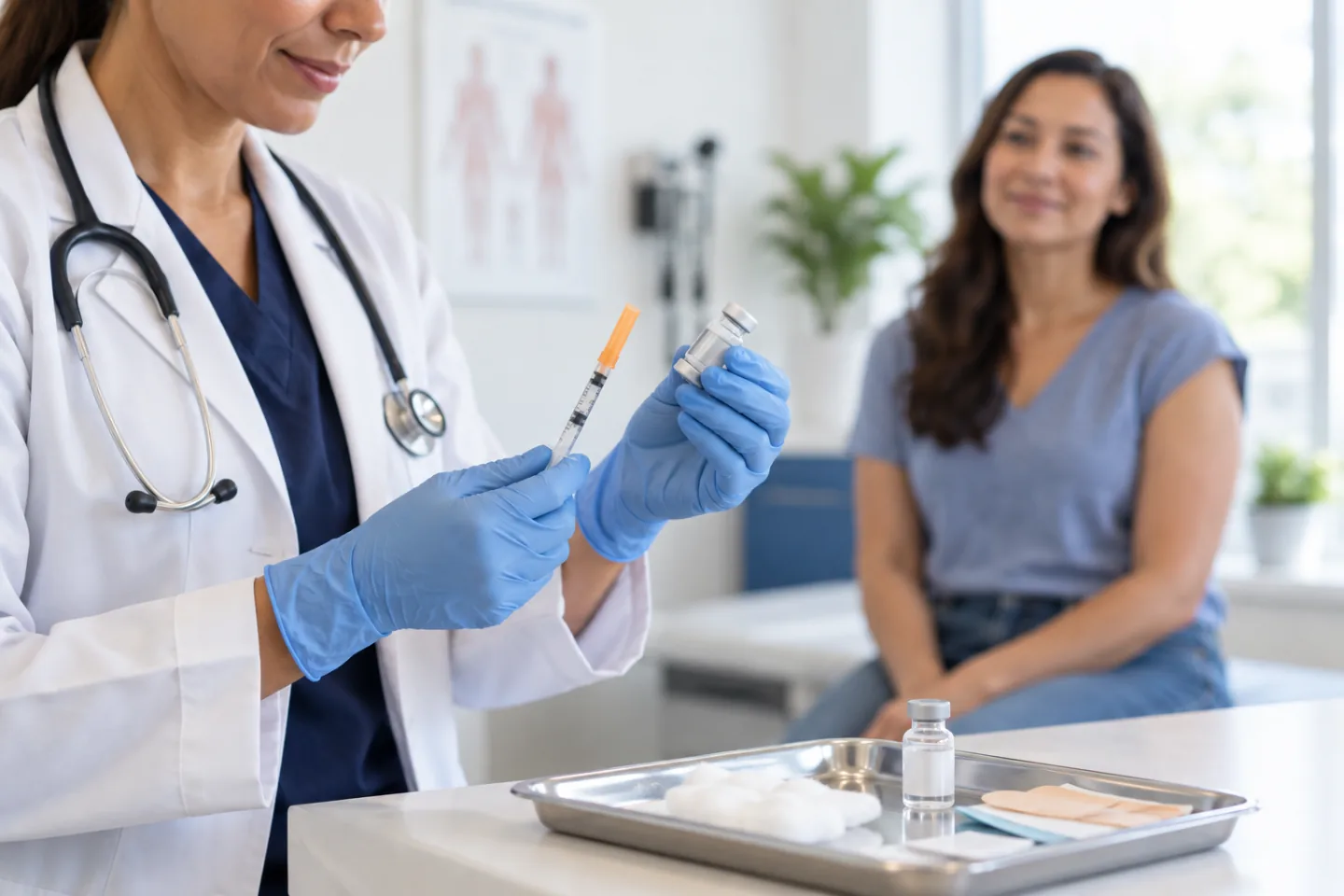
The HPV vaccine is usually injected into the upper arm. The appointment itself is brief. You may be asked about allergies, previous vaccine reactions, current illness, pregnancy, immune conditions and earlier HPV doses. Bring your immunization record if you have one and tell the clinician if needles make you anxious.
The most common effects are temporary pain, redness or swelling where the vaccine was given. Some people feel tired, develop a headache or have muscle aches. These responses are generally mild and settle on their own. Because fainting can happen after any injection, particularly in adolescents, patients are commonly asked to remain seated for a short observation period.
Severe allergic reactions are rare, but clinics are equipped to recognize and treat them. Tell the immunizer about any serious reaction to an earlier dose or known allergy to a vaccine component. If concerning symptoms such as trouble breathing, facial swelling or widespread hives appear after leaving, seek emergency care.
HPV vaccination and pregnancy
Canadian HPV vaccine guidance now states that the vaccine may be offered during pregnancy. A healthcare professional can review the current recommendation, the person’s circumstances and their preferences. If pregnancy is discovered after vaccination, it is still worth informing the clinician who is managing the series so future doses and records can be handled appropriately.
Breastfeeding is not generally a reason to avoid HPV vaccination. As with any immunization decision, a clinician can check the person’s medical history and the latest product guidance.
HPV vaccination for people with weakened immunity
People with weakened immune systems may be more likely to have an HPV infection persist and may face a greater risk of HPV-related complications. This group can include people living with HIV, transplant recipients and people taking certain immune-suppressing medicines.
The vaccine is non-live and is recommended for many immunocompromised people, but the schedule differs: current national guidance generally advises three doses. The immune response may not be as strong as it is in someone without immune suppression, which makes completing the recommended series especially important. The treating clinician should consider the specific condition, medications and timing.
Common questions and misconceptions
Can the HPV vaccine give me HPV?
No. It does not contain live, infectious HPV. The vaccine teaches the immune system to recognize certain viral components without causing the infection.
Does vaccination encourage earlier sexual activity?
Vaccination is cancer prevention, not permission or a prediction about behaviour. It is routinely offered at an age when the immune response is strong and before likely exposure. Conversations about relationships, consent and safer sex remain important, but they are separate from the biological protection a vaccine provides.
If I feel healthy, why would I need it?
HPV often has no symptoms. Feeling healthy cannot show whether someone has been exposed or whether a future partner carries the virus. Prevention is useful precisely because infection can be silent.
If I had genital warts or an abnormal screening result, is vaccination pointless?
Not necessarily. Those findings may involve one HPV type, while the vaccine targets several. Vaccination will not treat the existing issue, but it may offer protection against types not previously acquired. Ask a clinician about the likely benefit in your situation and continue all recommended follow-up.
Is the vaccine only important for teenagers?
Routine vaccination is intentionally focused on younger people, but adults may still be candidates. Canadian recommendations include universal vaccination through age 26 and allow vaccination from age 27 onward through shared decision-making.
Is one dose always enough?
No. The schedule depends on age and immune status. Many people aged 9 through 20 are eligible for one dose under current Canadian guidance, while older or immunocompromised people need additional doses. Follow the schedule advised for you.
Other ways to reduce HPV-related harm
Vaccination is the central preventive tool, but it works alongside other healthy practices. Barrier protection can reduce exposure, though it cannot eliminate it. Avoiding tobacco matters because smoking is associated with the persistence and progression of cervical cell changes. Attending cervical screening and follow-up appointments is essential. New genital growths, unexplained bleeding, persistent throat symptoms or other concerning changes should be assessed rather than self-diagnosed.
It is also helpful to discuss HPV without blame. Because infection is common and can remain unnoticed for a long time, a diagnosis usually cannot establish when transmission happened or from whom. Calm, factual conversations make it easier for people to seek vaccination, screening and treatment.
Preparing to speak with a healthcare professional
Before your appointment, try to locate your vaccine record and note any previous HPV doses. Make a list of significant allergies, immune conditions and medications. If cost is a concern, ask whether you qualify for public coverage or whether the clinic can provide the vaccine name and schedule for an insurance inquiry.
Useful questions include:
- Am I already fully vaccinated under today’s schedule?
- Would vaccination still benefit me at my age?
- How many doses do I need and when should they be given?
- Does my health condition or medication change the schedule?
- Which cervical screening program applies to me?
- What side effects should prompt medical attention?
The bottom line
HPV vaccination is one of the few routine vaccines that directly helps prevent several cancers. It is most effective before exposure, but eligibility is not limited to people who have never been sexually active. People of all genders can benefit, and adults can discuss their potential benefit with a healthcare professional.
At Town Care Walk-In Clinic, our team can review your vaccination history, answer general questions and help determine an appropriate next step based on current guidance and availability. Call (416) 792-2654 before visiting if you would like to confirm whether an HPV vaccine consultation or dose is available.
For current national recommendations, read the Canadian Immunization Guide: Human Papillomavirus Vaccine.
Medical information is for general education and does not replace professional advice. Vaccine schedules, public coverage and individual recommendations can change. Speak with a qualified healthcare professional about your circumstances.