
High blood pressure is common, important and frequently misunderstood. A single elevated number can cause alarm, while years of silent hypertension can pass without any noticeable symptoms. Understanding how blood pressure is measured—and what clinicians do with those numbers—turns a confusing reading into useful health information.
This article explains the two numbers on the screen, why readings change, how to monitor correctly at home, which habits support healthier pressure and when a high reading needs urgent attention.
What blood pressure measures
Each heartbeat pushes blood into the arteries. Blood pressure describes the force against artery walls. It is recorded in millimetres of mercury, written as mmHg, and displayed as two numbers.
The top number is systolic pressure: the pressure while the heart contracts. The bottom number is diastolic pressure: the pressure while the heart relaxes between beats. A reading of 126/78 mmHg therefore means a systolic pressure of 126 and a diastolic pressure of 78.
Either number can matter. Some people have mainly elevated systolic pressure, some mainly elevated diastolic pressure, and others have both.
Why high blood pressure matters
Persistently high pressure can injure blood vessels and make the heart work harder. Over time, this raises the risk of heart attack, stroke, heart failure, kidney damage, vision loss and other vascular disease. The process is usually gradual, which creates an opportunity to identify and manage hypertension before complications occur.
Most people with high blood pressure feel normal. Headache, dizziness, vision problems or shortness of breath can occur, but symptoms are not a reliable screening tool. The only way to know your blood pressure is to measure it properly.
One reading is a snapshot
Blood pressure changes throughout the day. Physical activity, pain, stress, caffeine, nicotine, a full bladder, conversation and even cold temperature can temporarily raise it. Dehydration, medication and posture can also influence the result.
For this reason, hypertension is usually diagnosed from readings taken at different times, not from one result at a public kiosk or clinic. A person who is anxious in a medical setting may have “white-coat” elevation. Another person may have acceptable clinic readings but elevated pressure during regular life, sometimes called masked hypertension.
Home or ambulatory monitoring helps reveal the pattern.
Understanding targets without self-diagnosing
Blood pressure thresholds depend on where and how the reading was taken, as well as health conditions and the guideline being used. The Government of Canada notes that pressure should generally be 140/90 mmHg or lower for most people in a clinical setting and 130/80 mmHg or lower when measured at home. Individual treatment targets can differ.
Do not start, stop or change medication based on a single internet threshold. A clinician considers the average pressure, measurement quality, cardiovascular risk, age, frailty, kidney function, diabetes, pregnancy and medication side effects.
The pattern is more informative than the most dramatic isolated number.
Choosing a home blood pressure monitor
An automatic upper-arm monitor is generally easier to use accurately than a wrist or finger device. The cuff must fit the arm. A cuff that is too small can produce a falsely high result, while one that is too large can distort measurement in the other direction.
Ask a clinician to recommend a validated device and confirm cuff size. Bring the monitor to an appointment occasionally so its readings and your technique can be compared with clinical equipment.
Smartwatch and cuffless features are appealing, but not every device has been validated for diagnosis or medication decisions. Use technology as directed by a qualified professional.
How to measure correctly at home
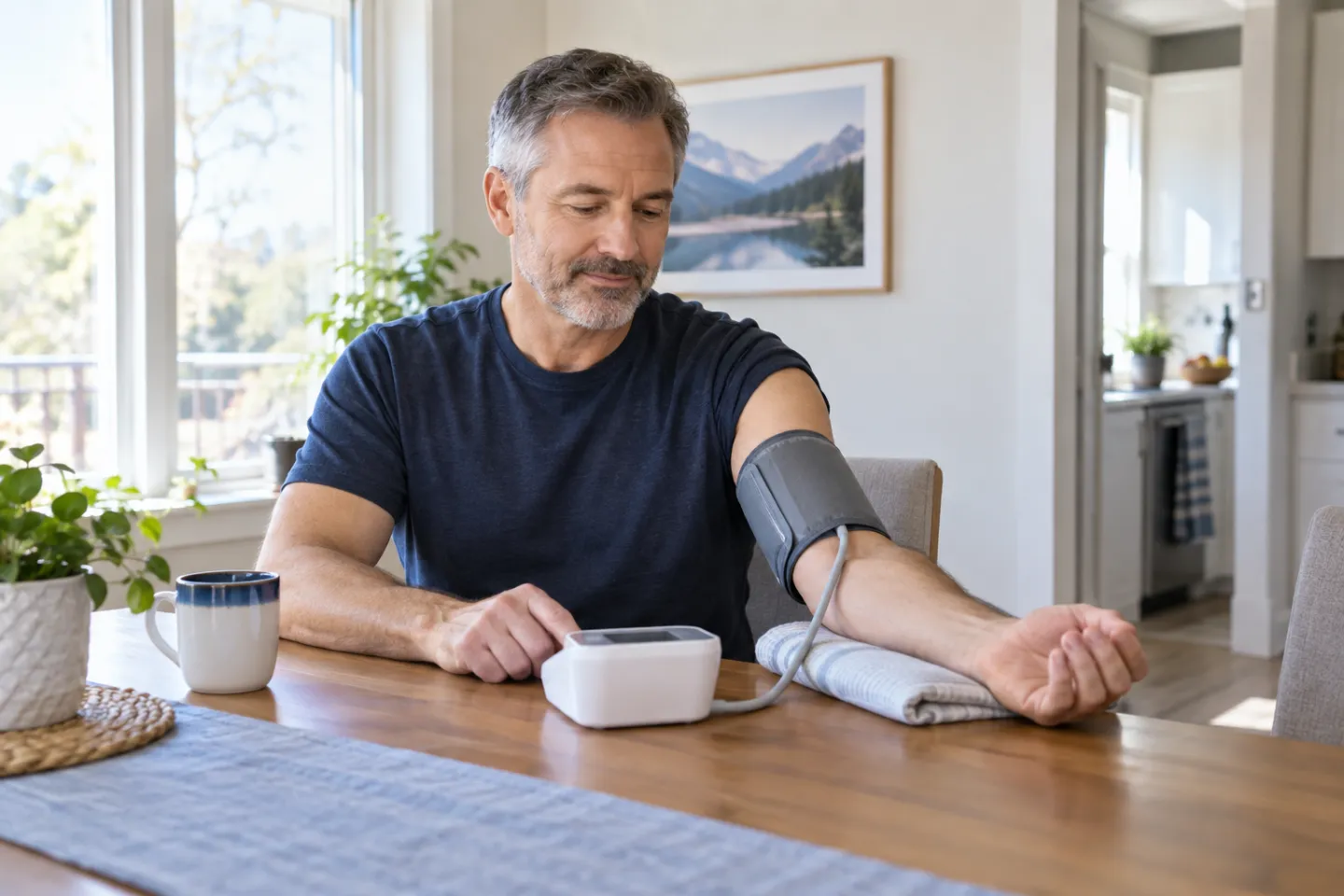
Small technique errors can shift a reading enough to create unnecessary concern. Use a consistent routine:
- Avoid exercise, caffeine and smoking for at least 30 minutes beforehand.
- Empty your bladder.
- Sit quietly for five minutes without talking or using your phone.
- Sit in a chair with your back supported and both feet flat on the floor.
- Keep legs uncrossed.
- Place the cuff on bare skin, not over clothing.
- Support the arm on a table so the cuff is at heart level.
- Remain silent while the machine measures.
- Take repeated readings as instructed, allowing at least one minute between them.
- Record the numbers, time and any unusual circumstance.
The Government of Canada suggests three readings at least one minute apart, twice daily for one week, then discussing the average with a healthcare professional. Your clinician may give a different schedule based on your situation.
Do not repeatedly check every few minutes in response to anxiety. This can amplify stress and produce an unhelpful collection of readings. Follow a planned schedule unless a clinician instructs otherwise.
What to record besides the numbers
A useful blood pressure log includes date, time, systolic and diastolic pressure, and pulse. Note whether you had symptoms, missed medication, were in pain or had recently consumed caffeine. Record the time blood pressure medicine was taken.
Bring the log and monitor to your appointment. Avoid deleting high values or recording only the best reading; the full pattern helps the clinician make safer decisions.
What can raise blood pressure over time
Risk increases with age and family history, but everyday and medical factors also contribute. These include high sodium intake, low physical activity, smoking, excess alcohol, sleep apnea, kidney disease, diabetes and certain medications.
Common products that may affect pressure include some decongestants, stimulants, anti-inflammatory pain medicines, hormonal medications and natural health products. This does not mean everyone must avoid them, but people with hypertension should review regular and occasional products with a clinician.
Poor sleep and chronic stress can make management harder. They are not moral failures, and telling someone simply to “relax” is not treatment. The useful approach is to identify realistic changes and address conditions such as sleep apnea, anxiety or pain when present.
Lifestyle changes that make a difference
Lifestyle measures can prevent or lower high blood pressure and complement medication. Focus on changes that can be sustained.
Reduce sodium without making food joyless
Much dietary sodium comes from restaurant meals, packaged foods, sauces, deli meats and prepared snacks rather than the salt shaker alone. Compare labels, choose lower-sodium products, rinse canned foods and build flavour with herbs, citrus, garlic and spices.
People with kidney or heart conditions may need individualized advice about sodium, fluid and potassium. Do not start potassium supplements or salt substitutes without checking because some medicines and diseases can cause dangerous potassium levels.
Move regularly
Regular physical activity supports blood pressure, sleep, mood and cardiovascular health. Walking, cycling, swimming, resistance training and active daily routines all count. Start gradually if you have been inactive or have symptoms, and ask for medical advice before intense exercise when appropriate.
Limit alcohol and avoid smoking
Alcohol can raise pressure and interfere with medication. Smoking acutely stresses blood vessels and greatly increases cardiovascular risk. Support for reducing alcohol or quitting tobacco is medical care—not a test of willpower.
Work toward a sustainable eating pattern
A pattern rich in vegetables, fruit, whole grains and varied protein sources can support heart health. Extreme diets are rarely necessary. Consistency matters more than a perfect week followed by an unsustainable rebound.
When medication is recommended
Some people reach a healthy range with lifestyle changes; others need medication from the start. The decision depends on average pressure and overall cardiovascular risk, not character or effort.
Several medication classes lower blood pressure in different ways. The first prescription may not be the final one. Clinicians may adjust a dose, combine medicines or change treatment because of kidney results, swelling, cough, dizziness or other effects.
Take medication consistently and do not stop suddenly because a home reading looks normal. A normal number may show that treatment is working. If cost, side effects or dosing schedule creates difficulty, raise it openly so the plan can be improved.
Follow-up tests and related risk factors
An assessment may include blood or urine tests, an electrocardiogram or evaluation for contributing conditions. Clinicians also consider cholesterol, glucose, kidney health, smoking and family history because cardiovascular risks interact.
Younger people with marked hypertension, patients with sudden worsening or those whose pressure is difficult to control may need evaluation for an underlying cause.
High readings during pregnancy
Blood pressure deserves special attention in pregnancy and after delivery. Hypertensive disorders can develop even in someone with previously normal readings. Contact maternity care promptly for high pressure with severe headache, vision changes, upper abdominal pain, sudden swelling, shortness of breath or a generally unwell feeling. Emergency symptoms require immediate care.
Pregnancy changes which medications are safe. Never use someone else’s prescription or adjust treatment without professional guidance.
When a high reading is an emergency
A very high number with symptoms such as chest pain, severe shortness of breath, new weakness, trouble speaking, confusion, fainting or sudden vision change requires emergency care. Call 911 rather than driving yourself.
If a reading is unexpectedly high but you feel well, sit quietly and repeat it using correct technique. Contact a healthcare professional for timely advice, especially if repeat readings remain very high. Do not take an extra medication dose unless your prescriber gave you a specific plan.
Low blood pressure can also matter when accompanied by fainting, dizziness, confusion, dehydration or weakness. The number must always be interpreted with symptoms and context.
Questions to take to your appointment
Useful questions include:
- What average range are we aiming for in my situation?
- How often should I measure at home?
- Is my monitor and cuff size appropriate?
- Could any of my medicines raise or lower pressure?
- Which lifestyle change would have the greatest benefit for me?
- When should I call the clinic, and when should I seek emergency care?
- When do I need blood tests or follow-up?
Clear targets reduce both complacency and unnecessary anxiety.
The bottom line
High blood pressure is usually silent, and diagnosis depends on a pattern of accurate readings. Home monitoring is valuable when the device, cuff and technique are correct. Sustainable food, activity, tobacco and alcohol changes support treatment, while medication is often an important protective tool rather than a sign of failure.
Town Care Walk-In Clinic can assess an elevated reading, review your medication list and advise on appropriate follow-up. Bring your home log and monitor if possible. Call (416) 792-2654 for general availability questions. Call 911 for a high reading accompanied by severe or sudden symptoms.
For current federal information, read the Government of Canada’s guide to high blood pressure.
Medical information is for general education and does not replace professional advice. Blood pressure targets and treatment must be individualized.